Dog Not Eating But Drinking Water: 12 Causes & When to Worry
Dr. Barkly, DVM
Published on March 5, 2025
Anorexia in dogs (loss of appetite) can be alarming. If your dog is still drinking water, it is a crucial sign, but the underlying cause could range from temporary stress to chronic kidney failure. Here is your vet-approved guide.
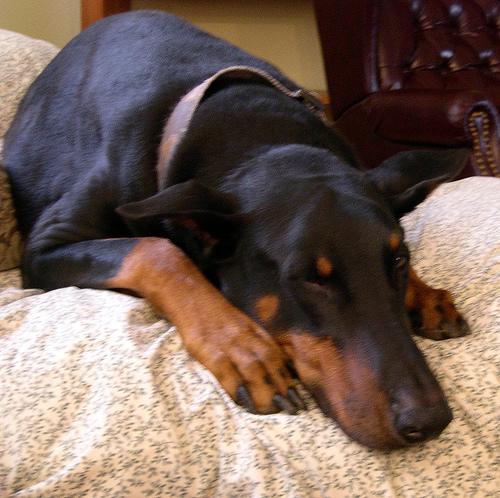
Understanding Canine “Inappetence”
“My dog won’t eat” is one of the most common complaints veterinarians receive. While a missed meal isn’t always a crisis, it is your dog’s primary way of signaling that something is off.
The Good News: They Are Still Drinking
If your dog is still drinking water, they are avoiding the immediate danger of dehydration. According to PetMD, maintaining hydration often suggests the issue is either behavioral, in the early stages of a condition, or localized to a digestive tract issue that hasn’t yet caused complete systemic collapse.
12 Most Common Causes of Refusal to Eat
Based on data from VCA Animal Hospitals and the AVMA, here are the 12 most frequent reasons for canine inappetence:
Category 1: External & Behavioral
- Stress/Anxiety: Changes in the household, moving, or a new pet.
- Environmental Heat: Dogs naturally eat less during extreme summer heat.
- Picky Eating: Boredom with their current kibble or too many high-value treats.
- Schedule Changes: Feeding at a different time than usual can disrupt their internal clock.
Category 2: Moderate Medical Issues
- Dental Pain: Broken teeth, gum disease, or oral tumors make chewing painful.
- Recent Vaccination: Appetite loss is a common 24-48 hour side effect.
- GI Upset: Eating “something bad” in the yard (Garbage Gut).
- Minor Infections: Run-of-the-mill bacterial or viral infections.
Category 3: Serious Underlying Conditions
- Kidney Failure: Look for increased thirst combined with decreased appetite.
- Liver Disease: Often accompanied by a yellowish tint in the eyes or gums.
- Pancreatitis: Inflammation often caused by eating high-fat human foods.
- Systemic Pain: Issues like arthritis or back pain can make a dog too miserable to eat.
The “Watch & Wait” Decision Table
| Symptom | Severity | Recommended Action |
|---|---|---|
| Just not eating | Low | Try bland food; watch for 24 hours. |
| Limping + not eating | Medium | Check for pain; call vet within 48h. |
| Vomiting + not eating | High | Potentially urgent; call vet today. |
| Pale Gums + not eating | Emergency | GO TO VET NOW. |
“The most important thing for a pet parent to do is to remain calm. Dogs are exceptionally tuned into our emotions, and our stress can worsen their anxiety-related inappetence.” — Dr. Sarah Barkly, DVM
How to Entice Your Dog to Eat
Before calling the vet, try these vet-approved “Enticement Strategies”:
The Bland Diet Method
Boil plain white rice and skinless/boneless chicken breast. Offer a small amount (about 25% of their usual meal size) to see if they can keep it down.
The “Aromatic” Trick
Wet food is more aromatic than dry. You can also add a small amount of warm, low-sodium chicken broth to their kibble to release the fat-based scents that trigger their appetite.
Professional Habit Tracking
This is where your PawNote daily logs become invaluable.
- Log the Last Meal: Exactly what time?
- Log the Bowel Movement: Was it normal or loose?
- Sync to PetVault: Push these notes to your PetVault health timeline so you can show the vet exactly when the symptoms started.
When to Call the Vet Immediately
Do not wait if you see:
- Fever (over 103°F)
- Constant shivering or shaking
- Drooling excessively
- Diarrhea for more than 48 hours
- Any yellowish tint on the skin or eyes
Final Thoughts
A dog that refuses food but drinks water is often in a “Wait and See” stage. By being observant and using tools like PawNote to track their behavior, you provide your veterinarian with the data they need to make a fast, accurate diagnosis.
Authoritative References:
Expert Q&A
Common questions about dog not eating but drinking water: 12 causes & when to worry answered by our experts.
01 How long can a dog go without eating?
02 Should I force-feed my dog?
03 When is a loss of appetite an emergency?
Discovery