Puppy Care Schedule: The Complete First-Year Timeline (2025)
PawNote Experts
Published on March 4, 2025
Raising a puppy is a marathon, not a sprint. Our digital timeline ensures you hit every milestones—from socialization windows to vaccination boosters—without the anxiety of guesswork.
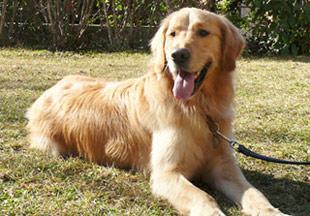
The Roadmap to a Healthy, Happy Dog
The first 12 months are the most influential period of your dog’s life. Decisions made today about diet, socialization, and medical care will echo for the next 15 years.
According to the American Kennel Club (AKC), puppies who follow a structured routine are 40% less likely to develop separation anxiety as adults.
Why Digital Timelines are Essential
Traditional paper checklists are easily lost. By using a Puppy Care Timeline in PawNote, you can track:
- Vaccination Deadlines: Automated alerts linked to your PetVault Health Records.
- Growth Progress: Weekly weight logs to ensure they’re on the right curve.
- Socialization Wins: Documenting their first trip to the park or meeting a new friendly adult dog.
Month-by-Month Professional Milestone Guide
| Age Range | Primary Focus | Medical Milestones | Socialization Goal |
|---|---|---|---|
| 2-3 Months | Potty Training | DHPP #1, Deworming | 10 new people/week |
| 3-4 Months | Socialization | DHPP #2, Rabies | New environments |
| 4-6 Months | Teething/Chewing | Heartworm Prevention | Group classes |
| 6-12 Months | Adolescent Training | Spay/Neuter (Consult) | Advanced obedience |
“Consistency isn’t about being strict; it’s about being predictable. A predictable environment is where a puppy’s confidence grows.” — Puppy Mastery Experts
Phase 1: The Critical Foundation (8-16 Weeks)
This is the “Golden Window” for socialization. Experts from The Spruce Pets and PetMD emphasize that exposure to safe, new stimuli before 16 weeks reduces future fear-based aggression.
The Potty Training “Perfect Loop”
- Wake Up: Immediate trip to the designated spot.
- Play/Eat: Activity triggers the digestive system.
- Log Everything: Use PawNote’s potty log to find your puppy’s natural “rhythm.”
Phase 2: The Teenager Transition (6-12 Months)
Expect regression. Like human teenagers, puppies in this phase often “forget” their commands.
- Stay Consistent: Don’t let up on the PawNote daily routine.
- High-Level Exercise: Focus on mental stimulation games (puzzles, scent work) as their physical energy peaks.
Setting Up Your Success Ecosystem
Don’t do it alone.
- Invite the Family: Add roommates or family members to your PawNote dashboard.
- Document Health: Scan every vet receipt into PetVault to build their life-long medical story.
- Set Reminders: Automated alerts for monthly flea/tick prevention are non-negotiable.
The Bottom Line
Raising a puppy is a massive responsibility, but it doesn’t have to be a source of constant stress. By using a Professional First-Year Timeline, you’re giving your pup the structure they need to become the best version of themselves.
Authoritative References:
Expert Q&A
Common questions about puppy care schedule: the complete first-year timeline (2025) answered by our experts.
01 When should I start training my puppy?
02 How often does a 12-week-old puppy need to go outside?
03 What vaccinations are mandatory in the first year?
Discovery